Why You Need a Gas Safe Registered Engineer for Your Home in Fulham

Ensuring the safety of your home’s gas appliances is crucial, and having a Gas Safe Registered Engineer in Fulham can make all the difference. Whether you need a boiler serviced or a new gas appliance installed, Ninja Plumber’s certified engineers are equipped to provide high-quality, reliable service that complies with the latest safety standards. Let’s explore why hiring a Gas Safe Registered Engineer is essential and how our team of experts in Fulham can keep your home safe and efficient.
What Is a Gas Safe Registered Engineer?


A Gas Safe Registered Engineer in Fulham is a professional licensed by the Gas Safe Register to legally work on gas installations and appliances. This certification guarantees that they are trained to perform a range of services safely, including inspections, repairs, and installations. Whether it's a new boiler, gas cooker, or routine inspection, you’ll want a registered engineer who follows strict safety guidelines to prevent gas leaks, carbon monoxide exposure, and other serious hazards.


Benefits of Hiring a Gas Safe Registered Engineer in Fulham


  1. Guaranteed Safety for Your Home and Family
    A Gas Safe Registered Engineer brings peace of mind. Certified professionals undergo rigorous training to handle gas safely and can ensure that all appliances and systems operate without risk. Having a Gas Safe Registered Engineer in Fulham inspect and service your gas appliances significantly reduces the chance of carbon monoxide leaks, which can be life-threatening.
  2. Compliance with Legal Requirements
    Landlords in Fulham are legally required to have gas appliances inspected annually, ensuring each property has a valid Gas Safety Certificate. A Local Gas Engineer in London from Ninja Plumber can help landlords stay compliant with these regulations by providing timely and thorough inspections.
  3. Skilled at Troubleshooting and Repair
    Only a certified Gas Safe Registered Engineer in Fulham has the necessary training and experience to diagnose and repair gas appliances accurately. This expertise is essential in emergencies, where quick and effective solutions are needed to restore safety and functionality.


Why Regular Gas Safety Checks Matter


Regular inspections by a Gas Safe engineer can prevent gas-related issues before they become severe. Not only does this practice promote safety, but it can also extend the life of your appliances, ultimately saving you money. Scheduling a check-up with a Local Gas Engineer in London once a year is a simple step to ensure all appliances are functioning correctly.


What to Expect from a Gas Safety Check

During a safety inspection, a Gas Safe Registered Engineer in Fulham will:


  • Check that each appliance is positioned and installed correctly.
  • Verify that flues and chimneys work efficiently to vent gases safely.
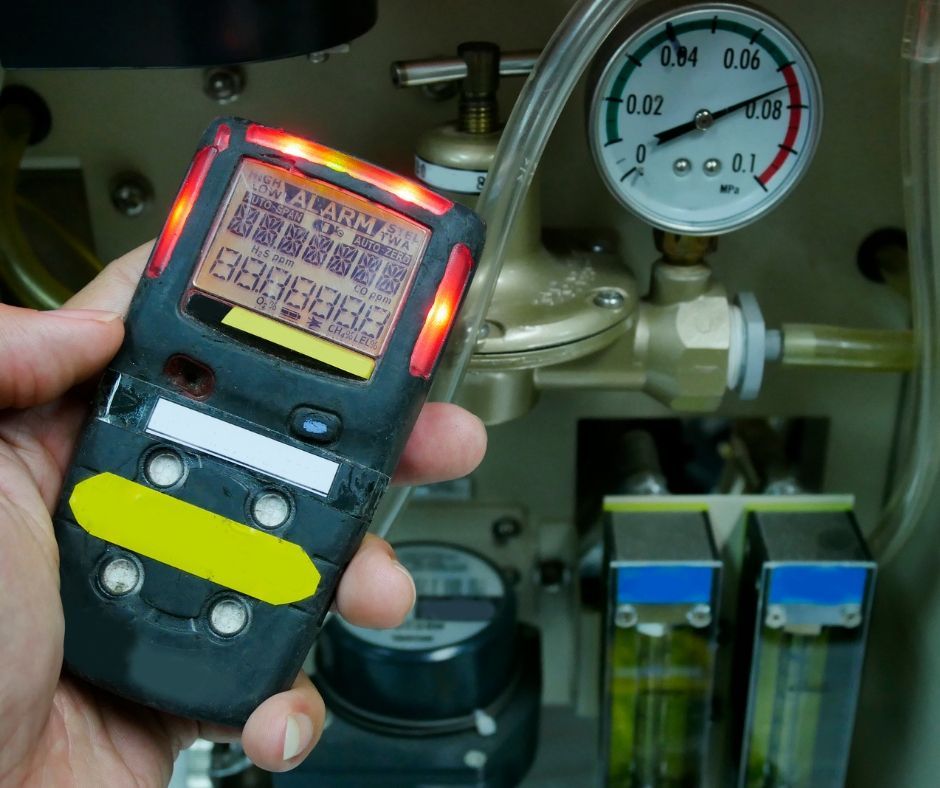
  • Conduct tests to ensure there’s no risk of carbon monoxide.
  • Check that gas pressure and flow rates are within safe limits.
  • Examine for leaks, corrosion, and any signs of wear that could compromise safety.


These thorough inspections provide the reassurance that every part of your system is working as it should, protecting your property and those within it.


Services Provided by a Gas Safe Registered Engineer in Fulham

From installations to emergency repairs, a Gas Safe Registered Engineer in Fulham can handle a variety of services:


  1. Boiler Installation and Repairs
    A reliable boiler is essential, especially in winter. Ninja Plumber’s engineers can install, service, and repair boilers to ensure they function efficiently. If you encounter any issues, a Local Gas Engineer in London from Ninja Plumber can assess and resolve the problem quickly.
  2. Gas Appliance Installation
    When installing new appliances like gas cookers or heaters, a Gas Safe engineer ensures they are connected and working correctly. Incorrect installations can pose serious risks, so hiring a certified engineer is essential.
  3. Power Flushing and Radiator Servicing
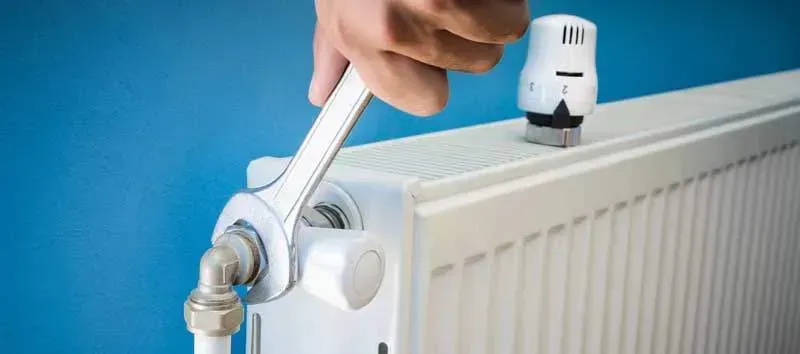
    Sludge and debris in your central heating system reduce efficiency. A Gas Safe Registered Engineer in Fulham can perform power flushing, which cleans out your system, extends its lifespan, and keeps heating bills low.


How Do I Know If Someone Is Gas Safe Registered?


To verify that an engineer is registered, ask to see their Gas Safe ID card, which contains their license number and a list of qualified tasks. You can also check on the Gas Safe Register website by entering the engineer’s license number. Only those listed on the Gas Safe Register are legally qualified to work with gas appliances. Read the Full Article


How a Local Gas Engineer in London Can Help You Stay Compliant


For landlords, staying compliant with gas safety laws is critical. Each rental property must be inspected annually, with a Gas Safety Certificate issued for all appliances. Ninja Plumber’s Local Gas Engineer in London service covers everything from inspections to repairs, ensuring landlords meet all legal obligations.


Signs It’s Time to Call a Gas Safe Registered Engineer in Fulham


If you notice any of the following issues, it’s wise to contact a certified engineer:

  • Unusual odours, sounds, or leaks around your gas appliances
  • Increased gas bills without any change in usage
  • The pilot light or burner flame turning yellow instead of blue
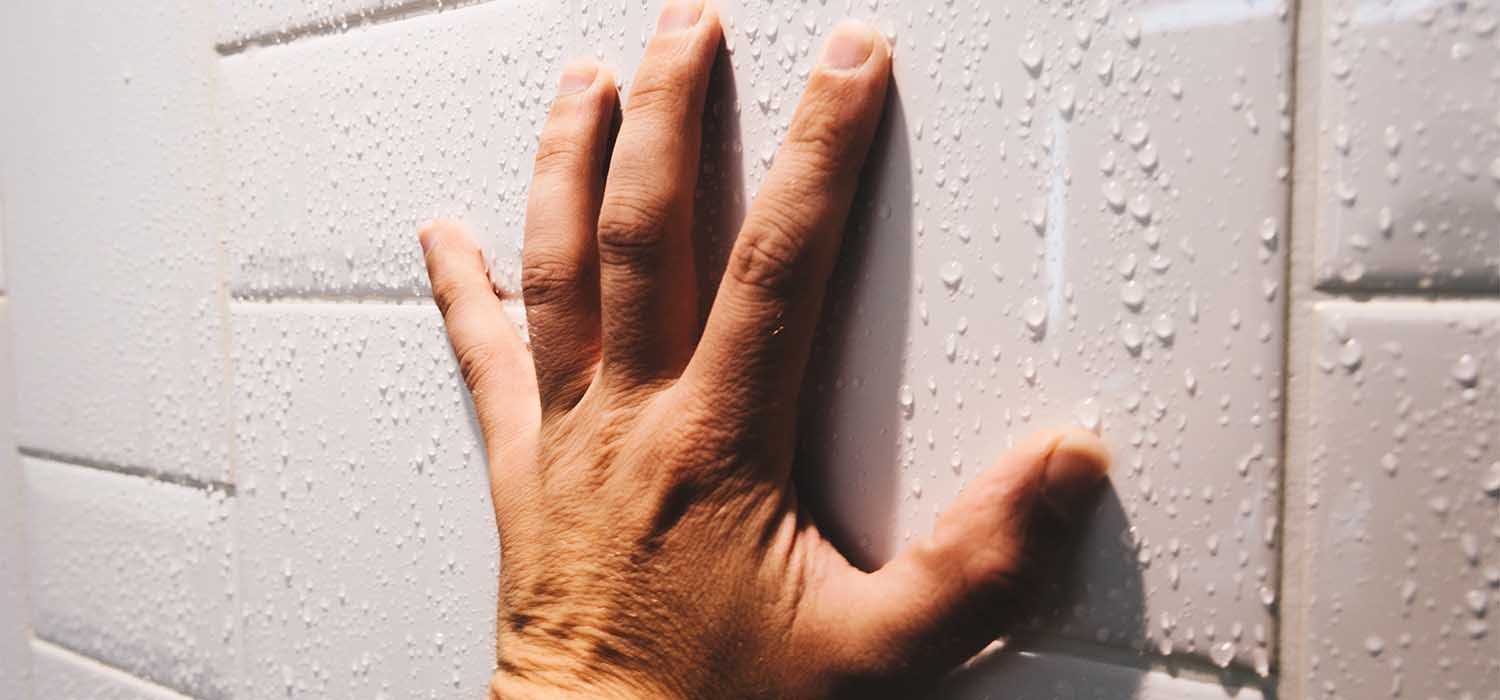
  • Condensation around appliances or unexplained black marks


Our Gas Safe Registered Engineer in Fulham can assess the situation and recommend solutions to prevent further damage or potential hazards.


Final Thoughts and Call to Action


Having a reliable Gas Safe Registered Engineer in Fulham is crucial for your safety and peace of mind. Ninja Plumber provides comprehensive services, from routine inspections to emergency repairs, with highly trained engineers available 24/7. Don’t risk the safety of your home or property; trust Ninja Plumber to handle your gas needs safely and efficiently.

Rapid, Reliable Plumbing and Heating Solutions in Fulham
Ninja Plumber is on call to address all your heating and plumbing needs across London. Experience our dedicated service and professional solutions, available at competitive prices. Request a booking today or call us at 07447575645. Whether it’s an emergency or routine maintenance, Ninja Plumber is your trusted partner.


#1 Plumber in Fulham
Free Quote | 24-Hour Service | Licensed & Insured

Need same-day service? Call Ninja Plumber now or fill out our form to schedule your visit. Let us provide the quality service you deserve, keeping your home safe, warm, and compliant.

You might also like

Blog

By Mohsen Emami March 19, 2026
Why Older Heating Systems Need Power Flushing Older boilers and radiators often suffer from accumulated sludge and corrosion. This build-up restricts water flow, leading to: Cold spots in radiators Slow heating times Strange noises from pipes Higher energy consumption Ignoring these issues can lead to costly repairs or even a complete system failure. Regular power flushing ensures your heating system runs efficiently and reliably. By using professional power flushing services, you remove sludge and debris thoroughly, restoring water circulation and heat distribution. This process directly improves central heating efficiency improvement , saving money and reducing environmental impact. Step 1: Preparing the Heating System Before starting a power flush, preparation is key. Follow these steps: Turn off the boiler and allow the system to cool. Isolate sensitive areas such as boilers or electrical controls. Drain the system partially to remove old water and loosen sediment. Check radiator valves and ensure they are operational for flushing. Proper preparation prevents damage and ensures the process targets the right areas. Power flushing services often include a system assessment to identify problem radiators or pipework. Step 2: Conducting the Power Flush The actual flushing process involves circulating a cleaning chemical and water mix at high velocity to remove sludge and debris. The steps typically include: Connecting the flushing machine to the system via radiator valves. Adding a chemical cleaner to break down sludge and rust. Circulating the mixture through radiators and pipes at high pressure. Flushing with clean water repeatedly until water runs clear. Some systems may require additional steps, like removing stubborn sludge manually or using specialised nozzles. A professional technician ensures the process is thorough and safe. Benefits of Using Professional Power Flushing Services Hiring experts for power flushing services offers several advantages: Efficient sludge removal without damaging pipes Minimal system downtime while cleaning radiators and boilers Reduced risk of leaks compared to DIY methods Improved heating performance leading to central heating efficiency improvement Professionals can also apply corrosion inhibitors to keep your system clean longer, protecting your boiler and radiators for years. Step 3: Inspecting and Testing the System After flushing, inspect the heating system carefully: Check radiator temperature to ensure uniform heating. Monitor boiler pressure for stability. Look for leaks around joints and valves. Run a system efficiency test if available to measure energy savings. Correct inspection ensures the flush has removed blockages and that the system operates optimally. This final step also confirms the benefits of central heating efficiency improvement. Step 4: Maintaining Your Heating System Post-Flush After a successful power flush, proper maintenance is essential. Consider these steps: Install magnetic filters to catch future debris Schedule annual check-ups to monitor sludge build-up Use corrosion inhibitors in the system water Bleed radiators regularly to prevent trapped air Maintenance complements the benefits of power flushing services, keeping your heating system efficient for years. A well-maintained system avoids cold spots, reduces energy bills, and prolongs boiler life. Common Mistakes to Avoid During Power Flushing Even with careful preparation, mistakes can reduce the effectiveness of a flush. Avoid: Using too little cleaning chemical Flushing at low pressure, which leaves sludge behind Skipping inspection of radiators and pipe joints Ignoring post-flush maintenance Professional power flushing services minimise these risks, ensuring your older heating system gains maximum benefit. How Power Flushing Contributes to Central Heating Efficiency Improvement A flushed heating system provides better water flow, improved heat distribution, and reduced boiler strain. Key benefits include: Lower energy bills due to efficient heat transfer Longer boiler lifespan from reduced wear Quieter operation with fewer air pockets and sludge noise Even room temperatures across all radiators These improvements directly contribute to central heating efficiency improvement and a more comfortable home environment. When to Schedule Your Power Flush Power flushing is not a one-time fix. Older systems benefit from a flush every 5–10 years, depending on: Frequency of system use Signs of sludge, rust, or cold spots Age of radiators and boiler Scheduling regular power flushing services prevents long-term damage and keeps your heating system running smoothly. Power flushing services are vital for older heating systems struggling with efficiency. By removing sludge, improving water flow, and implementing post-flush maintenance, you can enjoy: Uniform radiator heating Lower energy bills Reduced boiler strain Long-term central heating efficiency improvement Ignoring sludge build-up leads to costly repairs and decreased comfort. Take action today and restore your heating system to peak performance. Professional power flushing ensures thorough cleaning and lasting benefits for your home.
By Mohsen Emami March 19, 2026
Understanding the Root Causes of Bathroom Leaks Before rushing to patch a leak, it’s essential to understand why it keeps happening. Common causes include: Worn-out seals and washers – Over time, rubber washers in taps or shower valves can degrade. Loose pipe connections – Joints behind walls or under sinks can loosen, causing hidden leaks. Faulty shower trays or tiles – Cracks in trays or missing grout can allow water to seep behind walls. Corroded pipes – Older metal pipes may develop pinholes or rust, triggering persistent leaks. Identifying the root cause will save time and money. Temporary fixes often lead to repeated bathroom leak repair calls. A thorough assessment helps prevent recurring issues. Step 1: Detecting the Leak Accurately Accurate detection is crucial. Start by inspecting all visible plumbing connections and surfaces: Check under sinks and around toilets for dripping water or signs of moisture. Examine the shower tray and tiles for cracks or mould. Feel walls and floors for damp patches that indicate hidden leaks. Use a moisture meter if available; it can reveal hidden damp areas behind walls. Tip: Some leaks only show when water is running. Test each faucet, shower, and toilet. Tracking the leak's source ensures the repair targets the real problem, not just the symptoms. Step 2: Choosing the Right Bathroom Leak Repair Method Once you have located the leak, select a suitable repair approach. Options include: Replacing washers or seals – Ideal for dripping taps or shower valves. Tightening pipe connections – Use appropriate tools to secure loose joints. Re-grouting or resealing trays – Perfect for leaks behind tiles or shower trays. Pipe replacement – For corroded or damaged pipes, replacement is often the most reliable solution. Always use quality materials. Cheap or temporary fixes often fail, leading to repeated repairs and higher long-term costs. Damp Source Protection Strategies When repairing a leak, consider damp source protection strategies to prevent further water damage. Some effective strategies include: Installing waterproof membranes behind tiles in wet areas. Applying sealant around pipe penetrations to block moisture ingress. Using anti-condensation paint in areas prone to humidity. Incorporating these steps during repairs adds a layer of protection that reduces future leaks and damp problems. Step 3: Addressing Hidden Damage Recurring leaks often leave behind hidden damage, which can worsen over time. Check for: Mould growth on walls, ceilings, or under flooring. Warped or rotting wood behind cabinets or around floorboards. Weak grout or plaster that may crumble after repeated water exposure. Fixing visible leaks alone isn’t enough. Addressing hidden damage ensures that bathroom leak repair is complete and prevents costly follow-up repairs. Step 4: Implementing Preventative Measures After repairs, prevent future leaks by taking simple steps: Regularly inspect plumbing – Check taps, valves, and visible pipes every few months. Clean drains and traps – Blockages can increase pressure and lead to leaks. Monitor water pressure – Excessive pressure can strain pipes and fittings. Upgrade old fittings – Replacing outdated taps or showerheads reduces risk. Adding preventative maintenance to your routine complements damp source protection strategies and reduces the chance of recurring leaks. When to Call a Professional Even with careful DIY work, some bathroom leak repair tasks are best left to professionals. Call an expert if: The leak persists despite repairs. You suspect hidden pipe corrosion. You notice widespread damp or mould. Repairs involve complex connections or gas/water systems. Professional plumbers can implement long-term solutions and ensure damp source protection strategies are correctly applied. Recurring bathroom leaks are more than just an inconvenience. They can damage your home, increase bills, and encourage mould growth. Tackling leaks with a structured approach—accurate detection, proper repair, hidden damage assessment, and preventative strategies—ensures your bathroom stays safe and dry. Remember to include damp source protection strategies in every repair. Simple steps like waterproof membranes, proper sealing, and anti-condensation treatments can save thousands in future costs. Taking these measures will minimise recurring bathroom leak repair needs, protect your home, and give peace of mind. Don’t ignore small leaks—they are often the first sign of a larger problem.
By Mohsen Emami March 6, 2026
Why Low Water Pressure Fulham Homes Experience Is So Common Victorian terraces across Fulham share similar plumbing structures. While charming, these systems create several pressure challenges. Here are the most common reasons. 1. Ageing Pipework Many Victorian homes still contain old pipes. Some properties even retain sections of original plumbing. Over time, pipes corrode and narrow. Limescale also builds inside them. This restricts water flow and reduces pressure. Older galvanised steel pipes are particularly prone to this problem. 2. Shared Supply Lines Terraced houses often share water supply routes. Multiple homes connect to the same street mains. When several households use water at once, pressure drops. Morning and evening peaks often reveal this issue. 3. Gravity-Fed Systems Many older properties rely on gravity-fed plumbing systems. Water stores in a tank, usually in the loft. Gravity then feeds water to taps and showers. While reliable, these systems rarely produce strong pressure. Modern power showers struggle without upgrades. 4. Hidden Leaks Small leaks can slowly reduce pressure across the entire system. Victorian homes often hide pipework behind walls or under floors. This makes leaks difficult to spot. Damp patches, mould, or rising water bills can signal trouble. If you suspect this issue, a qualified plumber in Fulham can inspect the system quickly. How to Diagnose Low Water Pressure Fulham Properties Face Before fixing the problem, you need to find its cause. Thankfully, several quick checks help narrow things down. Try these steps first. Check Multiple Taps Run several taps around the house. Ask yourself: Is the pressure weak everywhere? Does it affect only one tap? Is the shower worse than the sink? If one tap struggles, the fixture may simply need cleaning. If the whole house suffers, the issue sits deeper in the system. Inspect the Stopcock Your stopcock controls incoming water. Sometimes it sits partly closed. This reduces pressure across the house. Check both: The internal stopcock The external boundary valve Open them fully if safe. Look for Blocked Aerators Tap aerators collect debris and limescale. Unscrew the end of the tap and rinse the filter. Many homeowners solve pressure problems with this simple fix. Ask Your Neighbours Victorian terraces share infrastructure. If nearby homes have the same problem, the issue may come from the mains supply. Your local water provider may need to investigate. Practical Fixes for Low Pressure in Victorian Terraces Once you identify the cause, several solutions can improve your system. Some fixes remain quick and affordable. Others require professional work. 1. Upgrade Old Pipes Replacing old pipes dramatically improves water flow. Modern copper or plastic pipework resists corrosion and scale. This upgrade often transforms shower pressure overnight. A trusted plumber in Fulham can inspect your pipe network and recommend upgrades. 2. Install a Booster Pump Booster pumps increase water pressure throughout the home. They work particularly well with gravity-fed systems. Benefits include: Stronger showers Faster bath filling Better appliance performance Pumps must match your system size. Professional installation ensures safe operation. 3. Upgrade to a Pressurised System Some homeowners replace gravity tanks entirely. Unvented cylinders or combi boilers deliver higher pressure. These systems draw directly from the mains supply. They suit modern lifestyles much better. However, installation requires certification and professional work. 4. Replace Faulty Valves Pressure reducing valves sometimes malfunction. Old isolation valves can also restrict water flow. Replacing these components often restores full pressure quickly. When to Call a Professional DIY checks help identify simple issues. Yet many problems require expert tools. You should contact a professional if: Pressure drops suddenly Pipes make unusual noises Damp patches appear near pipe routes Multiple fixtures lose pressure An experienced plumber in Fulham can run pressure tests and trace hidden faults. Professionals also ensure repairs meet UK plumbing regulations. Trying complex fixes without training may cause leaks or damage. Searching for a Reliable Plumber When pressure problems appear, many homeowners open Google and type Plumber near me . That search often returns dozens of results. Choosing the right professional matters. Look for plumbers who: Have strong local reviews Provide clear quotes Offer emergency services Understand older properties Victorian homes require specific experience. Not every plumber understands their plumbing systems. Local specialists know Fulham’s housing stock well. If you search Plumber near me, focus on companies with proven terrace property experience. Preventing Future Pressure Problems Once you fix the issue, preventative care keeps your plumbing healthy. Simple maintenance goes a long way. Regular Plumbing Checks Annual inspections help detect problems early. A professional can check: Pipe corrosion Valve condition Tank health Pressure levels Early detection saves expensive repairs. Install Limescale Protection Fulham sits in a hard water area. Limescale builds inside pipes, boilers, and taps. Water softeners or scale inhibitors reduce buildup significantly. Clean Taps and Showerheads Limescale also blocks fixtures. Every few months: Remove aerators Soak showerheads in vinegar Rinse thoroughly This keeps water flowing freely. Final Thoughts Living in a Victorian terrace offers character that modern homes rarely match. Yet ageing plumbing often causes frustrating water pressure issues. Understanding the causes makes solutions easier. Old pipes, gravity systems, and shared supply lines all contribute to low water pressure Fulham residents often face. Fortunately, most issues have clear fixes. Pipe upgrades, booster pumps, and modern systems can restore strong water flow. If the problem persists, professional help makes the process faster and safer. The right expert will diagnose the cause and deliver a long-term solution for low water pressure Fulham homeowners experience. Strong showers and fast-filling baths may be closer than you think.